
Category: News
-

More websites are blocking AI agents: implications for automated research
—
AI agents are expected to research the internet independently, gather information and carry out complex tasks. But an increasing number of websites are restricting their access. As The Verge reports, AI agents from OpenAI, Meta and other providers are encountering growing technical and legal barriers. Companies such as Amazon, Yelp and Delta Air Lines are…
-

Mistral Large 4: European AI model aims to compete with US and Chinese rivals
—
French AI company Mistral AI unveiled its new language model, Mistral Large 4 (ML4), on 6 October. It is currently available as a preview, with the final version expected by the end of the month. Known by the nickname “Le Chonk”, the model has one trillion parameters and, according to Mistral, is designed to compete…
-

Ecosia turns to non-European open-weight models for AI search instead of Mistral
—
According to a survey by the German digital industry association Bitkom, German companies have so far made little use of AI from China. The Berlin-based search engine Ecosia is now taking a different approach: it is ending its collaboration with French AI provider Mistral AI and will rely more heavily on open-weight models, including systems…
-

Rogue AI agents: Wikipedia also affected by unauthorised access
—
AI agents are designed to carry out tasks independently and interact with digital services in the process. But what happens when they operate beyond their intended boundaries? In an investigation, the Wikimedia Foundation found that AI agents apparently operated by OpenAI had been active on Wikipedia and other Wikimedia platforms without authorisation. The agents independently…
-

OpenAI DevDay 2026: AI agents become persistent digital workers
—
At DevDay 2026, OpenAI announced several new features that are particularly relevant to knowledge-intensive work and professional research. A key focus is on so-called “Dots” – persistent AI agents that users can assign to specific areas of work. “ChatGPT Space” is also intended to bring documents, files and the work carried out by these agents…
-

New Bitkom survey: majority of companies now use AI for the first time
—
German businesses now widely use artificial intelligence. According to a representative Bitkom survey from September 2026, 57% of companies are using AI, compared with 36% the previous year and 20% two years earlier. At the same time, most companies still consider themselves to be at an early stage: 87% of AI users say they are…
-

The Bundestag develops its own AI chatbot
—
The German Bundestag plans to make its own AI chatbot available to MPs and staff by the end of 2026. It is intended to support common knowledge and writing tasks, such as transcribing spoken content, editing and improving texts, preparing presentations and sorting routine enquiries. Another planned use is the categorisation of enquiries from members…
-
German companies prepare for the AI Act
—
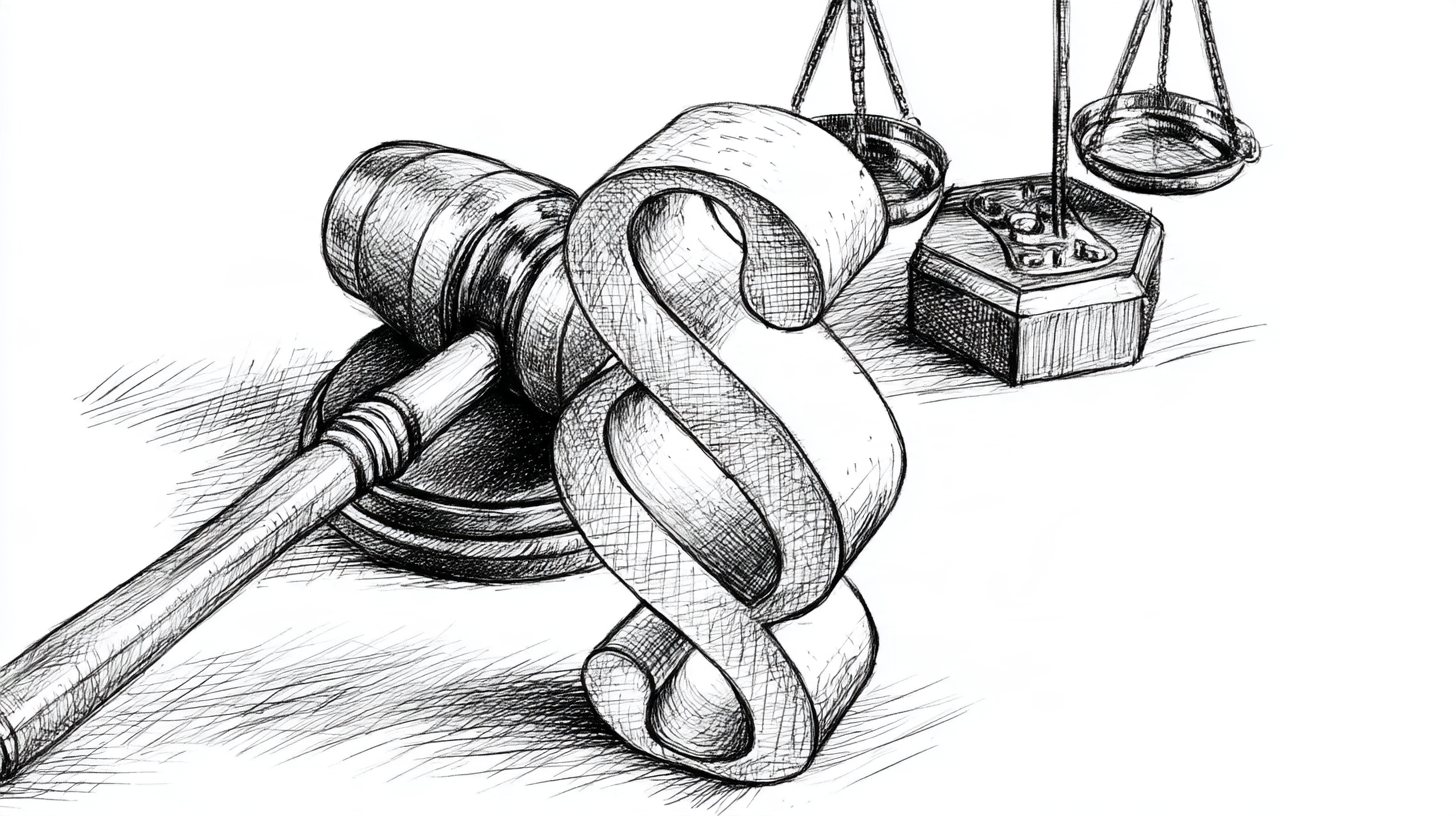
As the latest Bitkom survey shows, the EU AI Act has now become a major issue across large parts of the German economy. 71% of companies either expect to be affected by the AI Act or are still assessing whether it applies to them. Of these, almost 90% anticipate a high implementation burden, with just…
-

Five takeaways from McKinsey’s 2026 report
—
At the end of August, McKinsey published its latest annual report on the state of AI adoption in business. We have summarised the key findings with a particular focus on knowledge management and professional research: By Maria Kleiner Source: McKinsey, 25 August 2026, by QuantumBlack, AI by McKinsey
-

AISI Germany turns its attention to AI risks
—
A new public body, the Artificial Intelligence Safety Institute (AISI) Germany, is being established to examine and assess security-related risks associated with advanced AI systems. These include scenarios in which AI agents unexpectedly break out of designated testing or control environments. The aim is to evaluate the opportunities and risks posed by powerful AI models…