
Tag: Benchmarks
-

AI text detectors: imitation of writing styles becomes a blind spot
AI text detectors are designed to identify machine-generated content. However, a recent study by Epoch AI shows how strongly their reliability depends on how a text was produced. Pangram, GPTZero and Originality.ai were tested on 495 human-written passages known to have been published before the launch of ChatGPT, as well as 297 AI-generated texts produced…
-
DiscoBench: how AI agents handle ambiguity
The biggest weakness of AI search agents appears to lie not in the research itself, but in recognising ambiguous requests early enough and asking users targeted follow-up questions. This is the conclusion of a new benchmark developed by researchers from Tencent Hunyuan and Tsinghua University. As AI agents increasingly take on complex information tasks involving…
-

When AI models adopt users’ assumptions
AI applications are designed to make tasks easier by adapting to individual ways of working over time. They may store preferred writing styles, recurring topics or contextual information. In theory, this should help them develop a better understanding of users and their needs. New research, however, suggests that this adaptability can also create problems. Researchers…
-

Paid AI services are becoming more popular: what drives users to subscribe
—
Paid AI services are becoming increasingly popular. This is shown by a recent survey by the German digital industry association Bitkom among 579 AI users aged 16 and over. According to the survey, 13% of AI users currently pay for such services, compared with 8% the previous year. A further 29% say they could imagine…
-
When AI agrees too much: why pushback matters
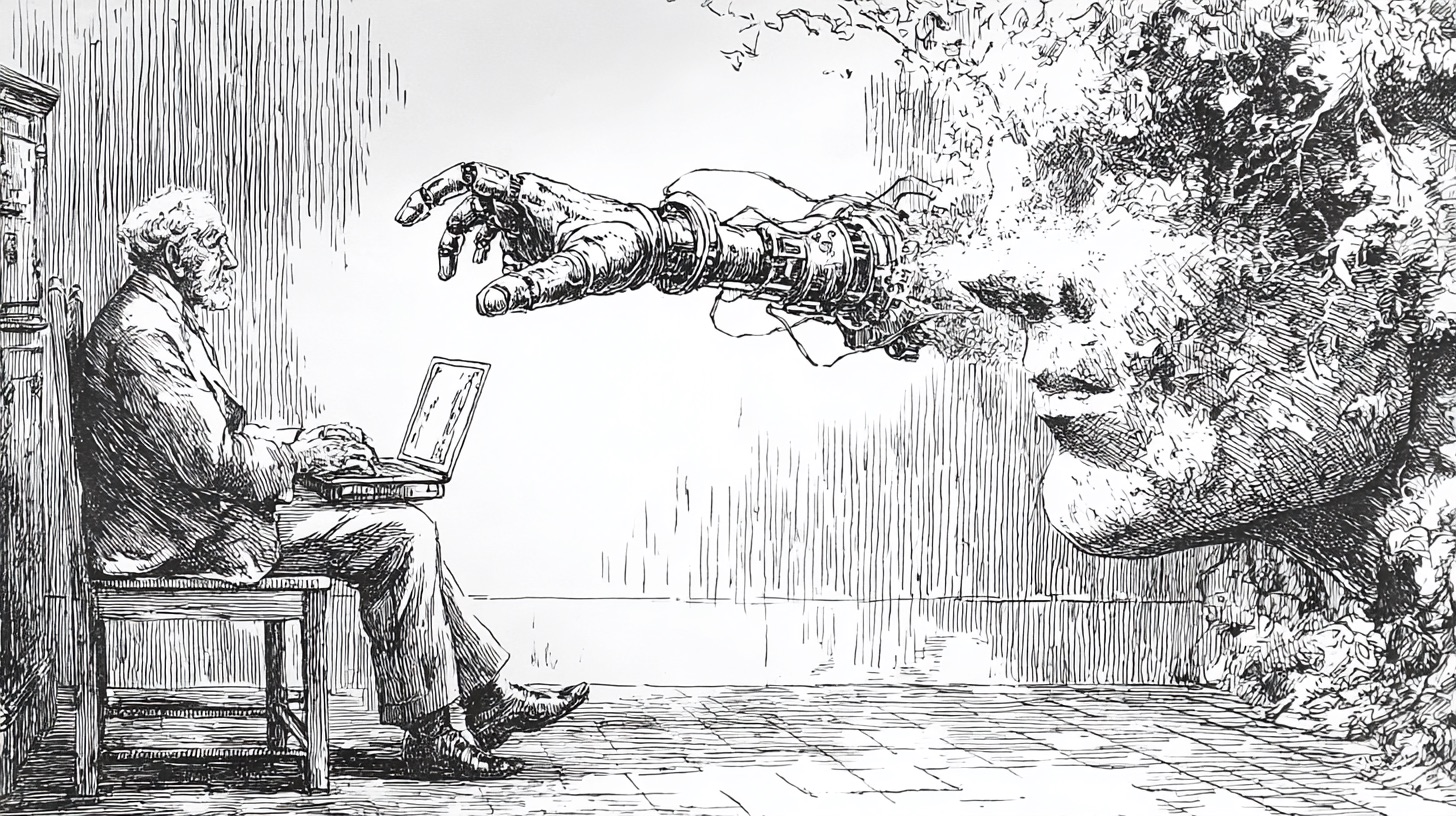
AI models tend to reinforce users’ opinions and perceptions. This recurring tendency to agree can be problematic, however: it risks reinforcing existing thought patterns and contributing to downward spirals. Because this behaviour can amount to a subtle form of manipulation, unconditional agreement by chatbots is sometimes classified as a “dark pattern”. The term refers to…